





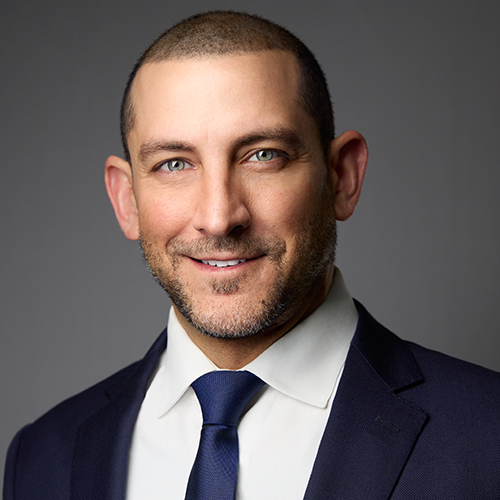
Dr. Robert Moghim
Colorado Pain Care

Understanding And Treating The Functional Unit
Non Coded | 1775213611
When doctors talk about treating the "functional unit," they mean looking at an entire system in the body—not just one small part of it. Instead of focusing only on a single joint, muscle, or nerve, they treat everything that works together as a whole.
Take the knee, for example. If someone has knee pain, the problem might not just be inside the joint. Weak muscles, ligaments, and tendons—like the quadriceps, hamstrings, or ACL—can put extra stress on the knee, leading to pain and inflammation. A functional approach starts by strengthening or treating these supportive structures first. Then, if needed, treatment moves deeper into the joint to address cartilage damage or inflammation.
The same concept applies to the spine. If a patient has low back pain, the issue isn’t always just the disc or nerves. Weak core muscles, unstable ligaments, and tight tendons can increase pressure on the spine, leading to disc injuries and nerve irritation. A functional treatment plan often starts by strengthening or treating the core, improving flexibility, and correcting posture. If pain continues, treatment may focus on the discs, facet joints or epidural space to reduce inflammation and relieve nerve pressure.
Regenerative treatments, like platelet-rich plasma (PRP) and bone marrow therapy, can help heal damaged ligaments, tendons, and cartilage. These treatments can sometimes be combined with laser therapy, bracing, shockwave therapy, and targeted physical therapy to optimize recovery and improve function.
By treating the entire system—starting with external structures and moving inward as needed—the healthcare team can help restore function, reduce pain, and promote long-term healing. This whole-body approach leads to better, lasting results.