





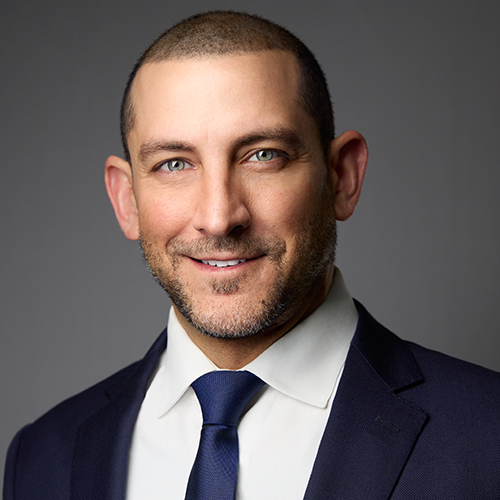
Dr. Robert Moghim
Colorado Pain Care

Post Procedure: Physical Therapy
Pre/Post Procedure | 1775218966
Recovering from a procedure or surgery isn’t just about healing—it’s about regaining strength, mobility, and function. That’s where physical therapy plays a critical role. Whether you’ve had a minimally invasive procedure or a major surgery, structured movement and targeted exercises can significantly improve your outcome. Let’s talk about why.
First, physical therapy helps reduce pain by improving blood flow, reducing stiffness, and preventing muscle atrophy. The right exercises can also help retrain your body, restoring movement patterns that may have been altered by pain or injury.
Second, it plays a key role in preventing complications. After a procedure, your body needs to relearn proper movement to avoid compensations that can lead to weakness, joint strain, or further injury. Physical therapy helps restore balance, flexibility, and coordination, ensuring long-term success.
In most cases, physical therapy will begin 6 to 8 weeks after a procedure to allow for initial healing. However, for certain surgeries, like joint replacements, therapy starts much earlier—often within days—to prevent stiffness and promote mobility. Your provider will determine the right timeline for you based on your procedure and recovery goals.
And finally, therapy is essential for strengthening and stabilizing the affected area. Whether it’s your spine, joints, or soft tissues, controlled movement helps rebuild strength safely—so you regain function and get back to the activities you love.
Remember, the goal of any treatment is not just to reduce pain but to improve your quality of life. The more you commit to physical therapy, the better your results will be. If your care team recommends it, follow through with your therapy plan—it’s one of the most important steps in your recovery journey.