





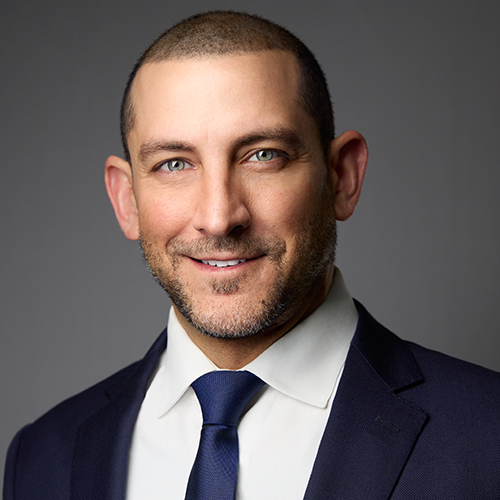
Dr. Robert Moghim
Colorado Pain Care

Chronic Postoperative Pain Syndrome (CPSP)
Diagnosis | 1775218624
Chronic Postoperative Pain Syndrome (CPSP) occurs when pain persists for at least three months after surgery, separate from any pain experienced before the procedure. This pain is typically felt around the surgical site and can affect mobility, emotional health, and overall quality of life.
CPSP can arise due to several factors including surgical details, patient characteristics, and post-surgical pain management challenges. Surgically, nerve irritation or injury may happen during the procedure, especially in open surgeries compared to minimally invasive types. Patient characteristics such as being younger, female, or having anxiety or existing pain conditions can increase vulnerability. Inadequate post-surgical pain control may lead the body to develop long-term sensitivity to pain if it's not properly managed in the immediate recovery period.
Treatment focuses on pain relief and restoring function through multiple approaches: - Medications, including NSAIDs, nerve pain medications, or certain antidepressants, can help manage symptoms. - Nerve blocks or specialized pain management techniques may be used if medications alone aren’t enough. - Comprehensive care, such as physical therapy, acupuncture, or counseling, can support recovery and help manage chronic pain.
In extreme cases, untreated CPSP could lead to issues such as complex regional pain syndrome. Peripheral nerve stimulation, spinal cord or dorsal root ganglion stimulation may be required for tough to treat conditions.
Working closely with a healthcare team is key to reducing pain and improving quality of life. If you’re experiencing ongoing pain after surgery, early intervention can prevent further complications and improve recovery. Talk to our team to find the best treatment plan for you.